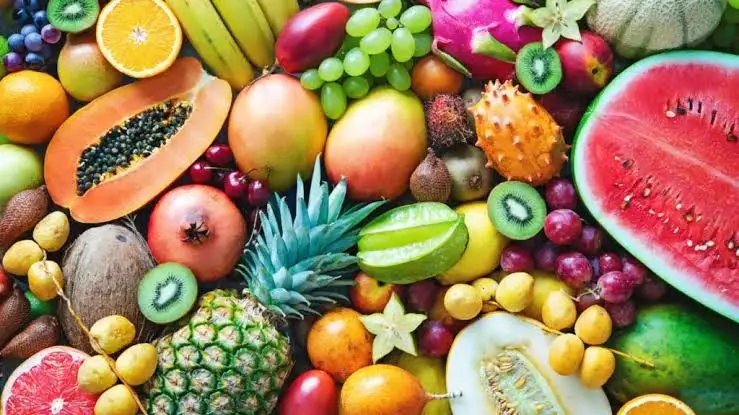
Have you ever wondered where the fruit on your table comes from?
Behind every fresh fruit is a chain of farmers, harvesters, transporters, traders and businesses working to move food from farms to consumers. Supporting local agriculture helps strengthen this connection and creates opportunities for farming communities.
At Ewiiny Farm, we believe in the value of connecting customers with agricultural products sourced close to home, including fresh fruits from Western Kenya.
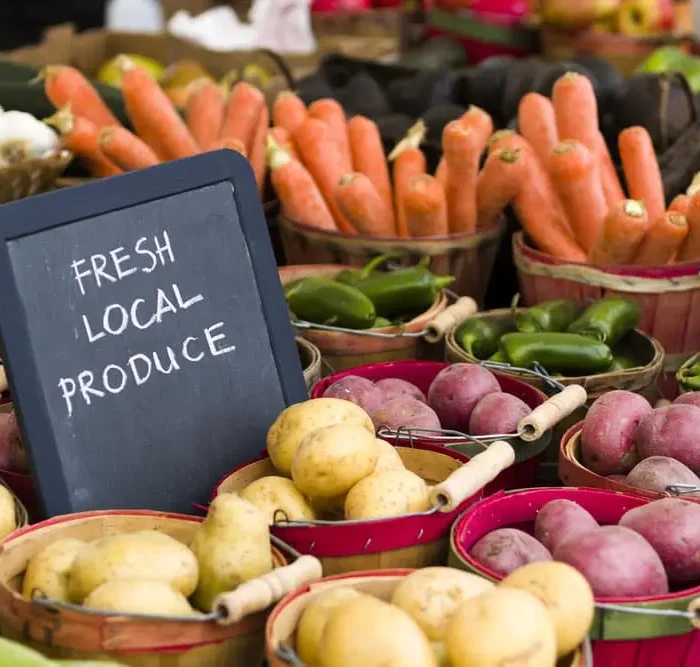
The farm-to-table concept focuses on shortening the distance between agricultural producers and consumers. Instead of treating food as simply a product on a supermarket shelf, it recognizes the people, farms and communities involved in producing it. For consumers, this creates an opportunity to become more conscious about where their food comes from.
How to Store Fresh Fruits
Proper fruit storage is one of the simplest ways to reduce food waste, save money, and make sure every piece of fruit you buy actually gets eaten while it’s at its best. Different fruits have different biological needs, so a one-size-fits-all approach to storage often leads to fruit spoiling faster than it should.
Room Temperature vs. Refrigeration
Some fruits continue to ripen after they’ve been picked, and these are best left at room temperature until they reach the right texture and sweetness. This group includes bananas, avocados, tomatoes, peaches, pears, and mangoes. Keeping them out on the counter allows natural ripening gases (mainly ethylene) to do their job. Once ripe, many of these can be moved to the fridge to slow down further softening and extend their usable life by a few extra days.
Other fruits don’t ripen much further after harvest and are better off going straight into the refrigerator. Berries, grapes, cherries, and citrus fruits fall into this category — the cold slows down decay and helps preserve their texture and flavor for longer.
The Ethylene Effect
It helps to understand that some fruits release more ethylene gas than others, and this gas speeds up ripening in whatever produce is nearby. Apples and bananas are particularly strong ethylene producers. If you want fruit to ripen faster, storing it near these fruits (or in a paper bag with one) can help. If you want to slow ripening, keep ethylene-sensitive produce like leafy greens or unripe berries away from them.
Inspect Regularly and Remove Spoiled Pieces
Fruit stored in bowls, bags, or bins should be checked every couple of days. A single bruised, moldy, or overripe piece can accelerate spoilage in the fruits around it — both through the ethylene it releases and through direct contact with mold or bacteria. Removing damaged fruit promptly protects the rest of the batch and helps the whole supply last longer.
Storage Conditions That Matter
Beyond temperature, a few other factors affect how long fruit stays fresh:
- Humidity – Many fruits prefer a slightly humid environment, which is why refrigerator crisper drawers are useful; they help prevent the fruit from drying out.
- Airflow – Fruits packed too tightly can trap moisture and encourage mold. Loosely arranging fruit, or using perforated bags, allows air to circulate.
- Light exposure – Direct sunlight can heat fruit and speed up spoilage, so a cool, shaded spot is usually best for counter-stored fruit.
- Separation by type – Storing different fruits separately (rather than all mixed together) makes it easier to control ripening rates and spot spoilage early.
Washing Fruits Before Eating
Washing fruit is an important hygiene step, but it should generally happen right before eating rather than right after purchase. Washing fruit too early can introduce excess moisture, which promotes mold growth during storage. A quick rinse under running water — and a gentle scrub for firmer fruits like apples — helps remove dirt, residue, and surface bacteria just before consumption.
By matching each fruit to the right storage method, keeping an eye out for spoilage, and washing at the right time, you can keep your fruit fresher for longer and reduce unnecessary waste.